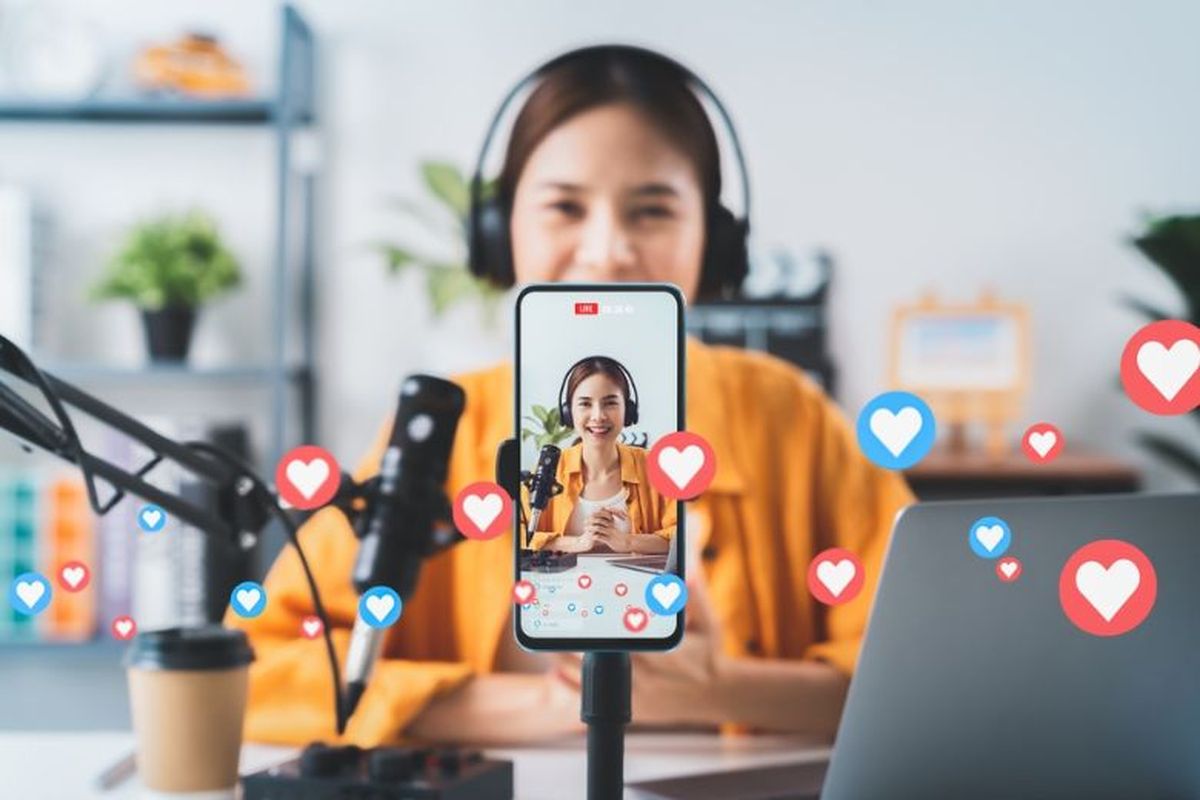
The entertainment industry has undergone a structural shift. Where film studios, television networks, and record labels once controlled production and distribution, independent creators now shape cultural conversations from bedrooms, garages, and small studios. The digital era has lowered barriers to entry, enabling individuals to build audiences without traditional gatekeepers.
Independent creators are not a niche phenomenon. They are reshaping how stories are told, how content is monetized, and how communities form around shared interests.
What Defines an Independent Creator?
An independent creator produces and distributes content without being exclusively tied to major media corporations. Their work spans multiple formats:
- Video content (short-form and long-form)
- Podcasts
- Music production
- Digital art and animation
- Newsletters and written media
- Live streaming and gaming
What sets them apart is control. They often retain ownership of their intellectual property, creative direction, and revenue streams.
The Technological Foundations Behind the Shift
Accessible Production Tools
Professional-grade cameras, editing software, audio equipment, and design tools are now affordable and widely available. Even smartphones are capable of high-definition recording.
Cloud-based tools allow creators to:
- Edit videos remotely
- Collaborate across continents
- Store large media libraries securely
Direct-to-Audience Platforms
Streaming services and social platforms have eliminated the need for traditional distribution channels. Creators can publish instantly and reach global audiences.
Monetization features such as subscriptions, tipping, and advertising integration make it possible to earn income without intermediary contracts.
Economic Power of the Creator Economy
The creator economy has matured into a multi-billion-dollar ecosystem. Independent creators generate revenue through diversified models:
- Advertising revenue sharing
- Brand partnerships and sponsorships
- Crowdfunding and membership platforms
- Merchandise sales
- Digital product offerings
Unlike traditional entertainers who rely heavily on studio contracts, independent creators build multi-stream income strategies that reduce financial dependency on a single source.
Audience Engagement: A New Form of Entertainment
Independent creators thrive on interaction. They engage audiences through:
- Live chats and Q&A sessions
- Community forums
- Direct feedback loops
- Personalized content responses
This level of engagement fosters loyalty that traditional media rarely achieved. Fans feel invested in the creator’s journey, not just the content.
Creative Freedom and Niche Markets
Traditional entertainment often prioritizes mass appeal. Independent creators, however, succeed by serving highly specific audiences.
Examples of niche-driven success include:
- Specialized gaming commentary
- Educational science breakdowns
- Regional music genres
- Cultural commentary channels
By focusing on underserved communities, creators cultivate strong, dedicated followings.
Challenges Facing Independent Creators
Despite opportunities, independence brings risk. Creators must manage:
- Algorithm changes that affect visibility
- Platform dependency
- Income volatility
- Burnout and workload imbalance
- Intellectual property protection
Sustainability requires strategic planning, diversified income, and adaptability.
The Role of Social Media and Streaming Platforms
Social media platforms function as both opportunity and constraint. Algorithms determine reach, but they also enable rapid growth.
Streaming platforms allow creators to bypass traditional broadcasting networks. Independent musicians, for example, can distribute music globally without record label backing. Similarly, filmmakers can showcase work through online channels rather than film festivals alone.
The Influence on Traditional Media
Established entertainment companies have responded to the rise of independent creators by:
- Partnering with digital influencers
- Investing in creator-focused production studios
- Launching direct-to-consumer platforms
- Acquiring successful independent brands
The power dynamic has shifted. Instead of solely discovering talent through auditions and contracts, companies now monitor online creators with built-in audiences.
Globalization of Independent Entertainment
Digital distribution has erased geographical boundaries. A creator in one country can build a following across continents.
This global access has encouraged:
- Cross-cultural collaborations
- Multilingual content strategies
- International fan communities
Independent creators are no longer limited by local markets.
The Future of Independent Creation
The trajectory suggests continued expansion. Emerging technologies such as artificial intelligence tools, virtual production environments, and immersive media formats are empowering individuals to produce higher-quality content with fewer resources.
Future trends may include:
- Decentralized ownership models
- Subscription-based micro-communities
- Greater regulatory oversight on platforms
- Expansion into virtual and augmented experiences
Independent creators are likely to remain central to entertainment innovation.
Conclusion
The rise of independent creators represents a structural transformation in entertainment. Lower barriers to entry, direct audience access, diversified monetization, and creative autonomy have changed who holds influence.
While challenges remain, independent creators have proven that compelling content, authentic engagement, and strategic adaptation can compete with — and sometimes surpass — traditional entertainment models.
Frequently Asked Questions (FAQ)
1. What skills are essential for independent creators to succeed?
Beyond creative talent, creators need marketing knowledge, financial management skills, audience analytics understanding, and adaptability to platform changes.
2. How do independent creators protect their intellectual property?
They use copyright registration, licensing agreements, watermarking, and platform-based content ID systems to safeguard original work.
3. Is full-time content creation financially sustainable?
Sustainability depends on diversified income streams, consistent audience growth, and effective brand positioning.
4. How do algorithms impact independent creators?
Algorithms determine content visibility. Changes in ranking systems can significantly affect traffic and revenue.
5. What role does community building play in growth?
Strong communities increase engagement, improve retention rates, and create recurring revenue through memberships and support programs.
6. Can independent creators transition into traditional media?
Yes. Many creators secure publishing deals, film contracts, or production partnerships after building large online audiences.
7. How is competition affecting the creator landscape?
Increased competition raises content standards, pushes specialization, and encourages innovation in format and delivery.
